

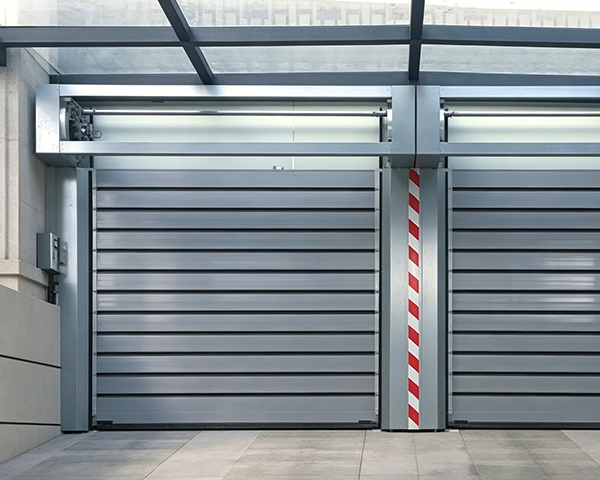
A villa rolling shutter door is a practical and stylish security solution widely used in modern residential architecture. Designed for villas, private houses, luxury residences, garages, terraces, balconies, and outdoor openings, a villa rolling shutter door combines security, weather resistance, privacy, space-saving operation, and aesthetic integration. Because villas often require both visual appeal and functional protection, rolling shutter doors have become a preferred choice for homeowners, architects, contractors, and developers.
This guide provides a complete overview of villa rolling shutter door design and installation, including product definitions, structural components, material selection, size planning, operational systems, key advantages, installation procedures, technical specifications, maintenance requirements, and common application scenarios. The content is written in a search-engine-friendly format and can be used directly on a blog post, category page, product knowledge page, or industry information page.
A villa rolling shutter door is a type of overhead or vertical door system made of interlocking slats or panels that roll into a coil, box, or housing when opened. It is commonly installed in openings that require frequent access while maintaining a high level of safety and privacy. Unlike traditional swing doors or sliding doors, a rolling shutter door does not need large clearance space, making it especially suitable for villas with limited driveway space, compact garages, terraces, patios, and side entrances.
In villa applications, rolling shutter doors are often designed with a stronger focus on appearance, noise reduction, thermal insulation, and automation. The system may be manually operated or motorized, depending on the project requirements. A modern villa rolling shutter door may also include remote control, smart home integration, wind resistance features, anti-lift protection, and enhanced sealing performance.
Villa owners usually look for doors that can balance design, durability, and security. A rolling shutter door satisfies these expectations by offering a clean exterior, compact storage, and dependable protection against intruders, dust, sunlight, rain, wind, and noise. In residential environments, it is especially useful because it improves comfort while preserving the appearance of the building façade.
Another major reason for popularity is flexibility. A villa rolling shutter door can be customized in size, finish, color, control mode, slat thickness, and insulation performance. This allows it to match different architectural styles, from minimalist contemporary villas to classical luxury homes.
| Benefit | Description | Residential Value |
|---|---|---|
| Space Saving | Rolls upward or into a compact housing without occupying floor space. | Ideal for driveways, garage entrances, and narrow outdoor areas. |
| Security Protection | Provides a strong physical barrier against unauthorized access. | Improves villa safety and privacy. |
| Weather Resistance | Helps protect openings from rain, wind, UV rays, and dust. | Reduces weather-related damage and indoor contamination. |
| Noise Reduction | Well-designed rolling shutters reduce external noise infiltration. | Improves comfort in residential environments. |
| Thermal Insulation | Insulated slats help regulate indoor temperature. | Supports energy efficiency and comfort. |
| Modern Appearance | Available in many colors, finishes, and surface treatments. | Blends well with luxury villa design. |
| Automation Compatibility | Can be operated with electric motors and remote systems. | Improves convenience and smart home integration. |
There are several types of rolling shutter doors used in villa projects. The correct choice depends on function, opening size, appearance requirements, and budget.
A manual rolling shutter door is operated by hand using a spring mechanism, crank handle, or pull strap. It is usually suitable for smaller openings or areas where automation is not required. Manual systems are cost-effective and simple, but they may be less convenient for larger or heavier doors.
An electric rolling shutter door is powered by a tubular motor, side motor, or central motor system. It is one of the most common choices for villa garages and main entrances. Electric operation improves convenience, safety, and daily usability, especially for large doors or frequent access points.
This type uses foam-filled or specially designed slats to improve thermal performance and noise reduction. It is ideal for villas in climates with hot summers, cold winters, or significant outdoor temperature changes. Insulated shutter doors also help reduce energy loss through garage or service openings.
Ventilated rolling shutters allow airflow while still providing security and partial privacy. These are often used in spaces such as semi-open garage areas, utility entrances, or garden-side openings where ventilation is important.
High-security models are reinforced with stronger slats, enhanced locks, anti-pick components, and anti-lift mechanisms. They are suitable for villas located in isolated areas or for openings that require maximum protection.
The material of a villa rolling shutter door directly affects strength, lifespan, appearance, maintenance, and cost. The most common material choices include aluminum, galvanized steel, stainless steel, and composite systems.
| Material | Features | Advantages | Typical Use |
|---|---|---|---|
| Aluminum | Lightweight, corrosion-resistant, easy to finish. | Modern appearance, smooth operation, low maintenance. | Garage doors, terrace enclosures, luxury residential openings. |
| Galvanized Steel | Strong and durable with anti-rust coating. | High strength, good security, long service life. | Garage entrances, security shutters, exterior protection. |
| Stainless Steel | Excellent resistance to corrosion and weather. | Premium durability, sleek finish, strong performance. | Coastal villas, high-humidity areas, premium projects. |
| Insulated Composite Slats | Metal outer layers with foam or insulated core. | Better thermal efficiency and noise reduction. | Climate-sensitive residential projects. |
| Polycarbonate Combination | Combines transparency with strength in selected zones. | Allows light transmission while maintaining security. | Design-focused villa façades and display areas. |
Proper design is essential for performance, appearance, and long-term reliability. A villa rolling shutter door should be designed according to structural conditions, usage frequency, climate, and architectural style.
The width and height of the opening determine the shutter size, guide rail dimensions, and housing space. Designers must check side clearance, headroom, and any obstacles above the opening. Insufficient clearance may affect installation and smooth operation.
In areas with strong winds, hurricanes, heavy rain, or coastal weather, the rolling shutter door must be designed with reinforced slats, stronger end locks, and stable guide rails. Climate conditions also influence material choice and sealing requirements.
Security requirements vary from basic privacy control to high-level protection. The design may include anti-lift devices, reinforced tracks, central locking systems, and motorized locking functions for improved resistance to forced entry.
Luxury villas often require doors that match the façade, window frames, and exterior finishes. Rolling shutter doors can be powder coated in custom colors, textured finishes, or smooth modern surfaces to fit the overall design language.
Residential users value quiet operation. High-quality guides, balanced springs, properly selected motors, and stable slats all contribute to smooth and low-noise movement.
Many villa rolling shutter doors are now equipped with remote controllers, wall switches, keypads, sensors, and smart-home connectivity. Designers should plan for electrical access, motor placement, and emergency manual override functions.
A villa rolling shutter door system usually includes the following parts:
| Component | Function | Importance |
|---|---|---|
| Shutter Slats | Create the main door curtain and provide security. | Core structural element. |
| Guide Rails | Guide the curtain during opening and closing. | Essential for smooth operation and alignment. |
| Top Hood / Box | Houses the rolled curtain when the door is open. | Protects the mechanism and improves appearance. |
| Motor or Manual Operation System | Controls raising and lowering of the shutter. | Determines convenience and performance. |
| Bottom Bar | Provides stability at the bottom of the curtain. | Improves sealing and security. |
| End Locks | Secure slats and resist lateral movement. | Important for wind resistance and safety. |
| Seals and Gaskets | Reduce dust, water, air leakage, and noise. | Improve comfort and insulation. |
| Control Unit | Manages electric operation and safety functions. | Necessary for automated systems. |
Villa rolling shutter doors are used in multiple residential areas, including:
Compared with hinged doors, sliding doors, or basic gates, rolling shutter doors offer several notable advantages in villa environments. They save space, improve security, and create a more refined exterior look. Their vertical rolling mechanism is ideal for places where floor space is limited or where the doorway must remain unobstructed when not in use.
Another major advantage is flexibility in customization. The same rolling shutter design can be adapted for a small side opening or a wide garage door. With the right slat thickness, motor power, and sealing components, the product can meet both aesthetic and performance demands.
In addition, the door can serve as a barrier to dust, insects, rain, sunlight, and unauthorized access. For villa owners who want a balance of comfort and protection, this is a highly practical solution.
Proper installation is essential to ensure smooth operation, safety, and durability. The following steps describe a standard villa rolling shutter door installation process. Actual procedures may vary depending on the type of door, opening conditions, and site requirements.
Accurate measurement is the first step. The installer should record opening width, opening height, headroom, side room, wall thickness, and floor conditions. Measurements must be checked carefully to ensure the shutter fits correctly and functions properly.
The installation team should inspect the wall, lintel, ceiling, and surrounding surfaces to confirm that they can support the door system. If the structure is weak or uneven, reinforcement may be required before installation begins.
All slats, rails, brackets, motor components, fasteners, seals, and control devices should be prepared in advance. Proper preparation reduces installation delays and helps maintain quality control.
The vertical guide rails are fixed on both sides of the opening. Alignment is very important because incorrect rail positioning may cause noise, friction, or uneven movement. The rails should be vertical, stable, and securely anchored.
The housing unit or top hood is mounted above the opening. This part contains the rolled curtain and protects the internal mechanism. It should be installed level and firmly secured to the supporting structure.
The shutter slats are assembled into a continuous curtain and attached to the shaft or roller system. End locks and bottom bars are fitted to ensure stability and locking performance.
If the door is electric, the motor is installed and connected to the control system. If the door is manual, the spring tension or operation mechanism is adjusted to allow balanced movement. This step is critical for safety and smooth use.
Electric systems require correct wiring, control setup, and safety checks. Remote controls, wall switches, limit settings, and emergency stop functions should be tested before final handover.
The installer should open and close the door several times to verify that it moves evenly, locks correctly, and does not produce abnormal noise. Any misalignment, friction, or vibration should be corrected immediately.
After successful testing, sealing components are checked and the site is cleaned. The user should receive instructions for operation, maintenance, and emergency procedures.
To achieve a long-lasting and reliable result, several best practices should be followed during villa rolling shutter door installation:
The following table provides a general specification reference for villa rolling shutter doors. Actual values can vary depending on the project, material, and customization level.
| Specification | Typical Range / Option | Notes |
|---|---|---|
| Door Width | 1.5 m to 6.0 m or customized | Depends on villa opening size. |
| Door Height | 1.8 m to 3.5 m or customized | Garage and main entrance sizes vary by design. |
| Slat Thickness | 0.3 mm to 1.2 mm depending on material | Thicker slats provide greater strength. |
| Material | Aluminum, galvanized steel, stainless steel, composite | Selected based on security and climate. |
| Operation Mode | Manual or electric | Electric is common for villas. |
| Motor Power | Commonly 100W to 1000W+ | Depends on weight and size. |
| Surface Finish | Powder coating, anodizing, painting, textured finish | Improves appearance and corrosion resistance. |
| Color Options | Custom RAL or standard color systems | Designed to match façade styling. |
| Security Features | Anti-lift, locking bar, reinforced guide rail | Enhances residential protection. |
| Insulation Option | Yes / No | Recommended for energy-saving projects. |
Although this guide does not recommend specific companies or pricing, it is useful to understand the main factors that influence the overall cost of a villa rolling shutter door system.
Regular maintenance extends the service life of a villa rolling shutter door and helps keep the system safe and reliable. Even high-quality products require periodic inspection.
| Maintenance Item | Recommended Action | Frequency |
|---|---|---|
| Slat Surface Cleaning | Remove dust, dirt, and salt deposits using mild cleaning methods. | Monthly or as needed |
| Guide Rail Inspection | Check for debris, deformation, or unusual wear. | Monthly |
| Motor and Control Check | Test remote operation, limit settings, and response time. | Every 3 to 6 months |
| Lubrication | Apply suitable lubricant to moving parts if required. | According to manufacturer guidance |
| Fastener Tightness | Inspect bolts, screws, and brackets for looseness. | Every 6 months |
| Seals and Gaskets | Replace worn sealing elements if air or water leakage appears. | Annually |
Like any mechanical system, a villa rolling shutter door may experience operational issues over time. Understanding common problems helps with troubleshooting and maintenance planning.
Safety is a major concern in any residential door system. A villa rolling shutter door should be designed and installed with safe operation in mind, especially when used by families, children, and elderly residents.
Important safety features may include:
Users should avoid standing under a moving shutter and should keep the opening area clear during operation. Children should not be allowed to play with remote controls or near moving mechanisms.
Villa rolling shutter doors are especially effective in the following situations:
To support organic search performance, the following keyword variations may be naturally integrated into surrounding content:
Yes. A villa rolling shutter door is widely used in luxury residential projects because it combines security, privacy, and visual appeal. Custom finishes and automation options make it suitable for premium properties.
Yes. They can be customized in size, color, material, slat type, insulation level, and control system to fit different villa designs and requirements.
For most villa applications, electric systems are more convenient and user-friendly. Manual systems may still be suitable for smaller or less frequently used openings.
Yes. Insulated rolling shutter doors can reduce heat transfer, improve temperature stability, and support better energy performance in residential buildings.
Installation time depends on the size, complexity, and site condition. A standard villa rolling shutter door installation may take a few hours to one full day, while larger or more customized projects can take longer.
A villa rolling shutter door is an excellent choice for modern residential architecture because it offers a strong combination of security, convenience, style, insulation, and durability. Whether used for a garage, entrance, terrace, or side opening, this door type provides practical advantages while supporting a refined villa appearance. With the right material selection, proper design planning, accurate installation, and regular maintenance, a villa rolling shutter door can deliver long-term performance and daily comfort.
For homeowners, builders, architects, and developers looking for a versatile residential door solution, the villa rolling shutter door remains one of the most effective and adaptable options in the market. Its ability to save space, improve protection, and integrate with modern automation makes it a valuable addition to both functional and design-focused villa projects.
Shenyang Manlong Metal Products Co., Ltd.


Copyright © 2026 Shenyang Manlong Metal Products Co., Ltd. Alle Rechte vorbehalten. Anwendungen
Diese Website verwendet Cookies, um sicherzustellen, dass Sie das beste Erlebnis auf unserer Website erhalten.

 English
 Español
 Portugues
 Pусский
 Français
 العربية
 ไทย
ไทย Türk dili
 Tiếng Việt



 Telefon
Kommentar
(0)